Build Smarter, Stronger, and More Efficient Homes
By Trey McDermid · · 4 min read
In today's fast-paced and competitive housing market, both builders and homeowners are searching for ways to maximize value, improve energy performance, and shorten construction timelines without sacrificing craftsmanship or design quality.
That's why more professionals are turning to engineered construction materials, including prefabricated wall panels, insulated wall systems, roof trusses, wood I-joists, and open web floor joists.
While these advanced materials may seem more expensive initially, their true value lies in structural efficiency, durability, and total project savings. The outcome: homes that are smarter to build, more cost-effective to own, and built to a higher, more consistent standard.
1. Engineered Strength: Doing More with Less
Engineered wood products are designed to deliver superior strength and stability using fewer raw materials. Components like wood I-joists and open web joists can span longer distances than traditional dimensional lumber, creating open-concept floor plans and robust load-bearing structures with less weight and waste.
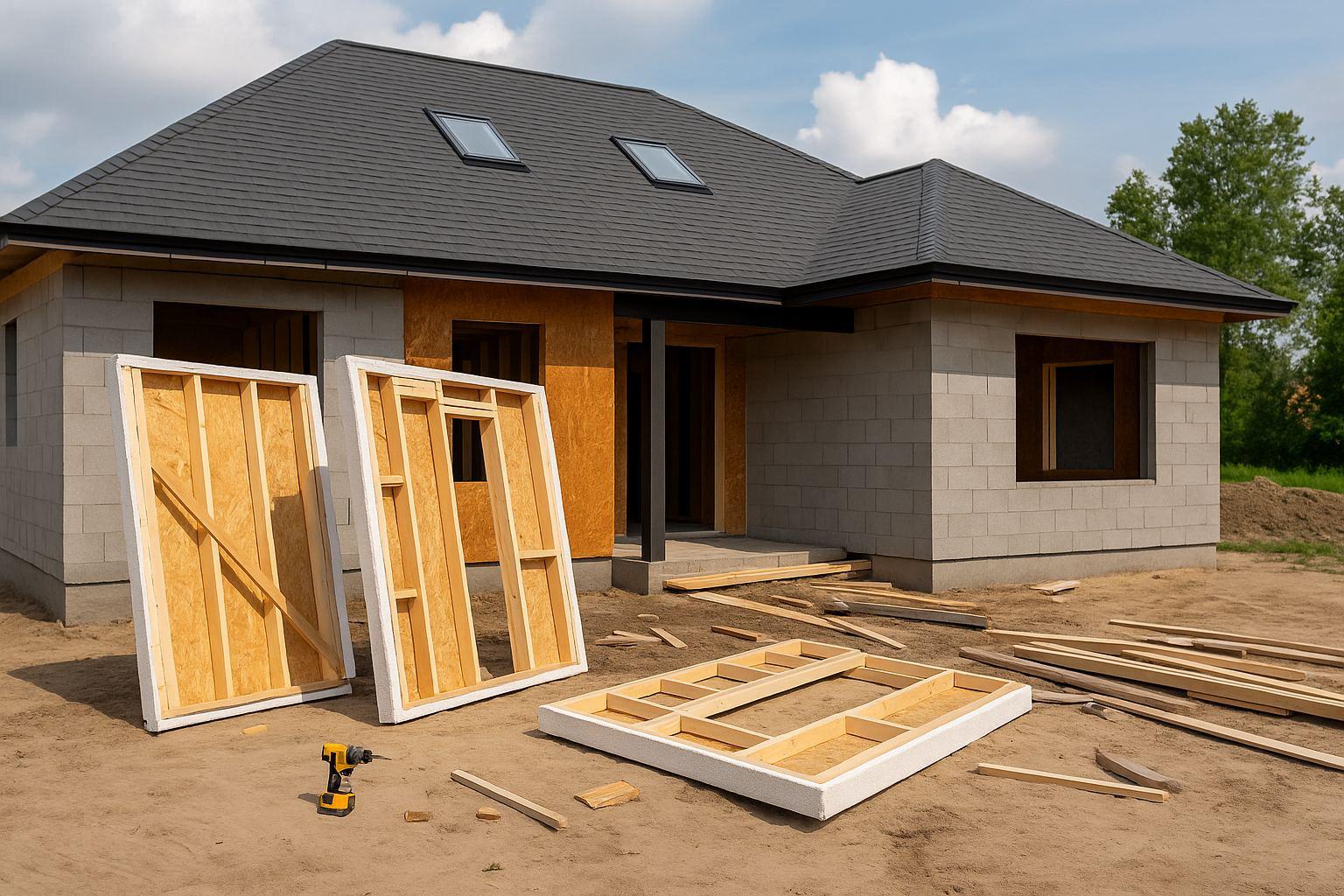
Prefabricated wall panels and roof trusses are manufactured in controlled environments, ensuring precision and minimizing on-site errors. Each component is cut and assembled to exact specifications, reducing waste, improving accuracy, and optimizing material usage.
SEO tip in action: Engineered wood products use fewer materials to create stronger homes while reducing waste and costs.
By relying on engineered design rather than variable lumber quality, builders can achieve greater structural performance while lowering environmental impact, a win-win for sustainability and profitability.
2. Faster Construction, Lower Costs
In construction, time is money.
Engineered products like prefabricated wall panels and roof trusses arrive on-site ready for installation, allowing builders to complete framing in a fraction of the time required for traditional stick-built methods.
This faster build time translates to:
- Lower labor costs
- Reduced financing and interest expenses
- Shorter project schedules and faster occupancy
Builders who have adopted prefabricated methods report up to 50% reductions in framing time, significantly improving project margins and client satisfaction.
3. Consistency You Can Count On
Traditional lumber often varies in moisture, shape, and quality. Engineered construction materials, by contrast, are manufactured in controlled conditions and tested to meet strict engineering standards for load capacity, strength, and stability.
This consistency ensures:
- Straighter walls and floors
- Fewer on-site adjustments and callbacks
- Superior finish quality for drywall, flooring, and cabinetry
- Longer-lasting, more stable structures
The result? A higher-quality home that performs better, and looks better, for decades.
4. Improved Energy Efficiency and Sustainability
Energy-efficient home building isn't just a trend, it's a necessity. Engineered and insulated wall systems create tighter building envelopes that reduce air leakage and thermal bridging.
Homeowners benefit from:
- Lower heating and cooling bills
- Better indoor air quality and comfort
- Easier compliance with modern energy codes
- Smaller carbon footprints and sustainable material sourcing
For builders targeting net-zero or high-performance homes, engineered systems simplify the path to certification and long-term energy savings.
If you're planning an energy-efficient home, explore our guide on Eco-Friendly Home Construction to learn more about sustainable building practices.
5. Expanding Design Freedom
Engineered wood systems provide architects and builders with unmatched flexibility. Longer spans and lighter materials allow for dramatic open floor plans, vaulted ceilings, and expansive window walls, design elements that today's homebuyers love.
Because these products are engineered for predictable performance, designers can push creative boundaries confidently, knowing that every component supports both safety and style.
For more insights on creating open, modern layouts, check out our post on transforming your home with open-concept renovations.
6. The Real Cost-to-Value Advantage
When you account for less waste, faster build times, reduced labor, lower financing costs, and long-term energy savings, engineered materials often cost less over the life of the home than conventional lumber.
The upfront investment pays for itself in measurable ways, improved efficiency for builders, lower maintenance for homeowners, and greater long-term value for everyone involved.
Final Thoughts: Build Better, Not Just Bigger
The future of home construction is smarter, stronger, and more sustainable. By embracing engineered construction materials and prefabricated methods, builders can deliver homes that exceed expectations in quality, efficiency, and performance.
It's not about spending more, it's about building better.
If you're planning a new home or residential development, talk to your builder or design team about how engineered wood products and prefabricated systems can elevate your next project.
Considering building a custom home? Our article on New Home Construction will walk you through the process of building your dream home from the ground up.
Call to Action
Ready to explore the benefits of engineered construction for your next project? Trey and his team can connect you with trusted builders who specialize in modern, efficient construction methods.
Contact us today to discuss your vision and learn how engineered materials can help you build smarter, stronger, and more cost-effectively.