Eco Friendly Home Construction: Building a Greener Future
By Trey McDermid · · 3 min read
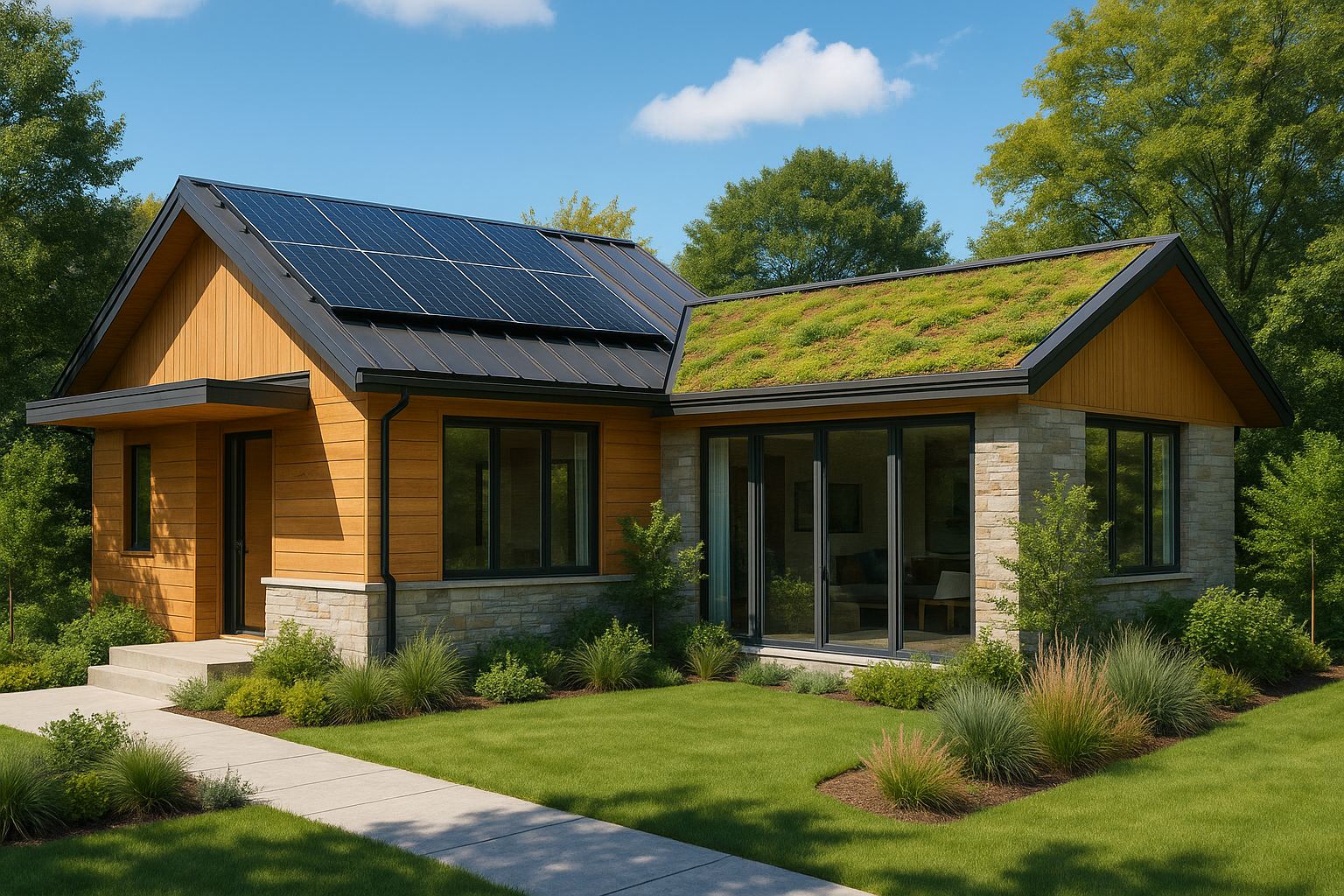
Building a home isn't just about aesthetics and function, more homeowners are prioritizing eco friendly home construction to reduce carbon footprints, lower utility bills, and create healthier living environments. In this post, we'll explore best practices, materials, costs, and how you can make your new home truly sustainable.
Why Choose Eco Friendly Home Construction?
Energy savings & utility cost reduction: Green homes typically use less electricity, heating, and cooling thanks to better insulation, efficient windows, and passive design.
Health & indoor air quality: Using low-VOC paints, proper ventilation, and non-toxic materials improves indoor air and reduces allergens.
Environmental impact & sustainability: Green building reduces waste, conserves water, and lessens dependence on fossil fuels. Green building is about lowering environmental impact across the full life cycle of the building.
Market and resale value: As demand grows, eco homes may command higher value or sell faster.
Key Principles & Strategies for Eco Friendly Construction
1. Site, Orientation & Passive Design
Orient your home to capture natural light (southern exposure in many climates) and use landscaping (shade trees, windbreaks) to moderate heat gain / loss. Passive solar principles reduce heating/cooling loads.
2. High-Performance Envelope
Invest in superior insulation, airtight construction, and high-performance windows (double or triple pane, low-emissivity coatings). Seal leaks, use good flashing and vapor barriers to minimize thermal loss.
3. Renewable Energy Systems
Integrate solar PV panels, solar hot water, or geothermal systems to offset grid electricity use. Net-metering can allow you to sell excess energy back to the utility.
4. Eco Materials & Low Embodied Carbon
Use sustainable or recycled materials like reclaimed wood, bamboo, hempcrete, green concrete, and low-VOC finishes. Reducing embodied carbon (the carbon in materials and transport) is increasingly important in green building.
5. Water Efficiency & Waste Reduction
Install low-flow fixtures, greywater reuse systems, rainwater harvesting, efficient irrigation, and design for minimal waste during construction (modular materials, prefabrication, recycling).
6. Certification & Codes
Consider pursuing certifications like LEED for Homes, Passive House, or using green building standards. Also be aware of green construction codes like the International Green Construction Code (IGCC).
Costs & Payback
It's a common misconception that eco friendly home construction is prohibitively expensive. In many cases, the extra upfront cost is modest, often 1–5% more, and pays back over time through energy savings, lower maintenance, and possible tax incentives or rebates.
When designing the project, run a life-cycle cost analysis: compare extra cost versus long-term savings. Also explore incentives, local grants, or state/federal tax credits for energy-efficient building.
Challenges & Considerations
Local climate matters, What works in one region may not in another (e.g. insulation, shading, HVAC strategy).
Skilled contractors, Eco builds often require precise workmanship (air sealing, insulation, proper systems), so choose contractors experienced in sustainable construction.
Material availability & cost fluctuations, Some green materials are niche and may cost more or have supply delays.
Regulation & codes, Always check local building codes and whether green building standards are accepted or required.
How to Get Started (Action Plan)
Define your goals & budget, Decide "how green" you want the home to be (net zero, passive, LEED, etc.).
Hire a green-aware architect / builder, Work with professionals familiar with sustainable design.
Focus on design first, Good passive design and envelope choices yield big savings before adding solar or fancy systems.
Select the right systems & materials, Prioritize efficient HVAC, renewable energy, and sustainable building materials.
Conclusion & Call to Action
Eco friendly home construction isn't just a trend, it's a smarter, more responsible way to build for long-term value, health, and sustainability. While the upfront design and planning require care, the lifetime benefits outweigh the costs.
Ready to build your dream eco-friendly home in Buffalo? Contact Trey McDermid to discuss sustainable construction options and find the perfect lot or property for your green home project.